
Why Getting Rid of a Stationary Bike Is Trickier Than It Looks
Most people assume they can just post an old exercise bike online and watch it disappear. Sometimes that works. But stationary bikes are heavy, awkward to move, and harder to offload than you’d expect — especially if the machine is older, worn, or missing parts.
Before you lug it to the curb, it’s worth knowing your real options. Some cost nothing. Others cost a little. And one of them will save you a pulled muscle.
Can You Donate a Used Stationary Bike?
Donation is the best-case scenario — free removal and a second life for the equipment. But not every organization will take it.
Goodwill accepts exercise equipment at many locations, but only if it’s clean, fully functional, and not missing parts. Call ahead — policies vary by store and region. Local gyms, YMCAs, and community centers sometimes accept used equipment for their members, particularly nonprofits with tight budgets. Schools and rec programs are another overlooked option.
The honest reality: if your bike squeaks, skips resistance levels, or has a cracked seat, most places will turn it away. Donation works best for bikes that are dated but still fully operational.
Selling It First: When It Makes Sense
A working stationary bike in decent shape can sell for $50–$200 on Facebook Marketplace or Craigslist, depending on the brand. High-end bikes like Peloton or NordicTrack hold value better and often sell quickly.
That said, selling takes time. You’ll coordinate pickups, deal with no-shows, and potentially move the bike yourself to make it accessible. If the bike has been sitting unused for years and shows wear, skip the listing and move on to a faster option.
Recycling Options: What Can Actually Be Salvaged
Stationary bikes are mostly steel and aluminum — both recyclable. Some plastic components and electronics (like digital displays) may qualify as e-waste depending on your county.
To recycle a stationary bike near you, start with your local scrap metal yard. Many will take the frame for free or even pay a small amount by weight. You’ll need to strip non-metal parts first, which means some disassembly.
Check whether your city has a bulky item recycling program. Some do — but many don’t handle exercise equipment at all. If you’re in a city with pickup limits, resources like this guide on Alameda’s bulky item pickup limits show why municipal options often fall short for items like this.
Curbside Pickup: Why Most Cities Won’t Take It
It’s tempting to roll the bike to the curb on trash day and hope for the best. In most cities, that won’t work. Stationary bikes typically exceed standard bulk item weight limits or simply aren’t accepted in curbside programs.
Even where bulk pickup is available, you’re usually limited to a set number of items per month — and you may have to schedule weeks in advance. If the bike misses the window, you’re back to square one.
When to Call a Junk Removal Service
If donation falls through, selling isn’t worth it, and curbside won’t take it — this is where large item removal becomes the practical answer.
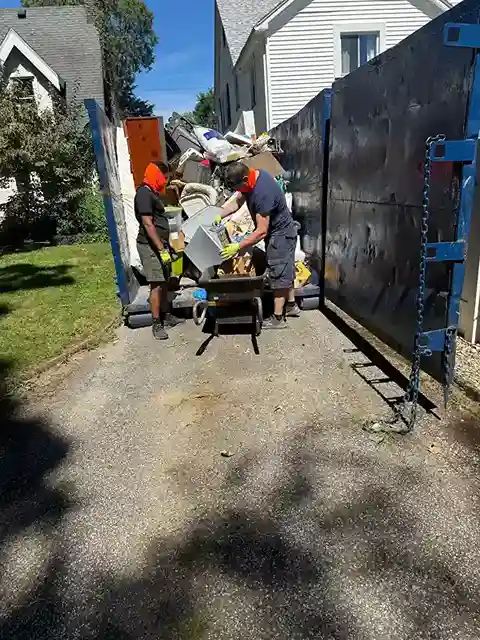
A junk removal crew will come to your home, carry the bike out, and haul it away — usually within a day or two of booking. No disassembly required on your end. Many services also sort items for donation or recycling before anything goes to a landfill.
Cost for a single stationary bike typically runs $75–$150, depending on your location and the company. If you’re clearing out other old exercise equipment at the same time, the per-item cost drops. For a full breakdown of what affects pricing, see this overview of junk removal service pricing.
Quick Recap: Your Best Options at a Glance
- Donate — Free, but only works if the bike is fully functional
- Sell — Worth it for newer or brand-name bikes in good shape
- Scrap metal recycling — Free or small payout; requires some disassembly
- Curbside pickup — Rarely accepted; check your city’s specific rules first
- Junk removal — Easiest option; $75–$150 for quick, hassle-free pickup
The right choice depends on the bike’s condition, how fast you need it gone, and how much effort you want to put in. Most homeowners end up choosing junk removal — not because it’s the cheapest, but because it’s the only option that actually gets the bike out the door.